

black square bathroom mirror
The Importance of Large Granite Surface Plates in Precision Engineering Large granite surface plates are essential tools in the field of precision engineering and metrology. Known for their reliability and stability, these plates play a pivotal role in ensuring accurate measurements and surface flatness in various industrial applications. As industries continue to prioritize quality control and precision manufacturing, the significance of granite surface plates becomes increasingly apparent. Granite, as a material, offers several advantages that make it ideal for use in surface plates. One of the primary benefits is its exceptional hardness and durability. Granite is a natural stone that can withstand considerable wear and tear, making it perfect for heavy-duty applications. This robustness ensures that the surface plate remains flat and intact even under significant stress while also resisting scratches and other forms of damage. Another defining feature of granite is its natural resistance to temperature fluctuations. Changes in temperature can cause materials to expand or contract, leading to measurement inaccuracies. However, granite maintains its structural integrity across a range of temperatures, which is crucial for precision engineering. This characteristic ensures that measurements taken on granite surface plates remain stable, irrespective of environmental conditions. Precision is paramount in engineering, and granite surface plates facilitate this with their inherent flatness. These plates are carefully manufactured and calibrated to achieve a high degree of flatness, measured in microns. This level of precision is critical in various applications, including machining, assembly, and quality assurance, where even minor deviations can lead to significant consequences in product performance. large granite surface plate Large granite surface plates also provide a sturdy work surface for the placement of workpieces and measurement instruments. Their substantial weight and stability help to absorb vibrations and minimize external disturbances, thereby enhancing the accuracy of measurements taken on or against them. This characteristic is particularly beneficial in high-precision industries such as aerospace, automotive, and electronics. Moreover, maintaining and using large granite surface plates is relatively straightforward. They typically require minimal maintenance, and regular cleaning is all that is needed to preserve their functionality . This ease of maintenance allows manufacturers to focus on production without the added burden of complex upkeep procedures. In addition to these practical benefits, granite surface plates also contribute to the operational efficiency of measuring instruments. By providing a stable reference surface, they enable precise calibration of tools such as micrometers, calipers, and gauges. This calibration is vital for ensuring that measurement tools deliver accurate results, further supporting the overall quality assurance process. In conclusion, large granite surface plates are indispensable in the realm of precision engineering. Their unique properties, including hardness, temperature stability, and exceptional flatness, make them ideal for a wide range of applications. As industries continue to seek out methods to improve precision and quality, the role of granite surface plates will undoubtedly remain central to achieving these goals. Investing in a high-quality granite surface plate can yield substantial benefits, positioning manufacturers on the path to success in an increasingly competitive marketplace.
about
black square bathroom mirror
Understanding Leveling in Welding Tables Welding is a critical process in manufacturing and construction, combining various metal components to create a durable, functional structure. One fundamental aspect of successful welding is the use of a leveling welding table. This tool is essential for ensuring precision and accuracy during the welding process. In this article, we’ll explore the importance of leveling in welding tables, the benefits they provide, and the best practices for using them effectively. Importance of Leveling A welding table must be perfectly leveled to facilitate an accurate and efficient welding process. When the table is not level, the workpiece can shift or become distorted, leading to misalignments and poor weld quality. This misalignment can result in significant rework, wasted material, and increased labor costs, ultimately affecting project timelines and budgets. Therefore, a level welding table serves as the foundation for quality welding work. Benefits of a Leveling Welding Table 1. Improved Accuracy A level surface allows for better measurement and alignment of workpieces. When components are positioned correctly, the welder can focus on the quality of the weld rather than correcting positional errors. 2. Enhanced Safety An unlevel table can cause workpieces to slide or fall, increasing the risk of accidents during the welding process. A stable, level table minimizes this risk, ensuring a safer work environment. 3. Increased Efficiency Leveling a welding table at the start of a project can save considerable time and effort. Welders can work faster and with greater confidence when they are assured that their workspace is stable and reliable. 4. Consistency in Quality Regularly using a level welding table leads to consistent welding outcomes. This uniformity is crucial for industries where precision and repeatability are vital, such as automotive and aerospace manufacturing. leveling welding table Best Practices for Leveling a Welding Table To achieve optimal results with a leveling welding table, certain best practices should be observed 1. Regular Calibration Ensure the table remains level by checking its calibration periodically. Over time, vibrations and heavy use can cause the table to lose its levelness. 2. Use a Leveling Instrument Employing a high-quality level, preferably a digital one, can provide accurate readings and help in making necessary adjustments. 3. Adjustable Feet Many professional welding tables come with adjustable feet that can be modified to achieve levelness. Make sure these are regularly checked and adjusted as needed. 4. Surface Maintenance Keep the table surface clean and free from debris. A cluttered surface can obstruct the leveling process and affect the accuracy of measurements and welds. 5. Training Ensure that all operators are trained in how to check and adjust the leveling of the table as part of their standard operating procedures. Conclusion A leveling welding table is a vital tool that directly influences the quality and efficiency of welding operations. By investing time and resources in maintaining a level workspace, welders can enhance their productivity, improve safety, and achieve higher-quality welds consistently. As the welding industry continues to evolve, ensuring that fundamental tools such as leveling tables are well-maintained will remain crucial for successful project outcomes.
-

High quality industrial productsagement

High quality industrial products
View Details -

Meet the diverse needs of customers

Meet the diverse needs of customers
View Details -

Strict quality control

Strict quality control
View Details -

Top raw materials

Top raw materials
View Details -

Trusted supplier

Trusted supplier
View Details
Our application

news and information

Valve's Influence in the Chinese Market and Its Future Prospects
The Influence of Valve China on the Global Valve Industry In recent years, China has emerged as a ce
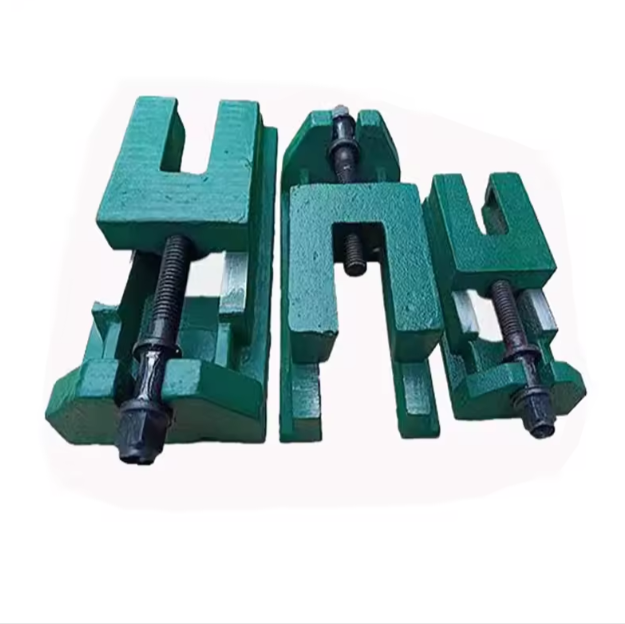
Vibration Reduction Pads
Anti-Vibration Pads A Revolution in Equipment Protection In the modern world, vibration is an inevi
water valve won't shut off
Troubleshooting Your Water Valve Why It Won't Shut Off and How to Fix It Water valves are crucial co
 English